Introduction:
“What exactly is holistic health?”
This is the question I get asked the most, and then people follow up with, “Is it just an alternative medicine?” and “Does it work?”
If you are curious about holistic health but confused by conflicting information, you are in the right place. As someone who has done years of research on both traditional and integrative wellness approaches, I am here to give you science-backed, clear answers to the most common holistic health questions.
Holistic health does not mean you have to choose between conventional medicine and natural approaches—but rather it means understanding that your body, mind, and spirit work as an interconnected system. When you view health from this whole-person perspective, you will see many improvements beyond treating symptoms.
Note: This material is intended to inform and educate—it is not medical advice. Always check with your doctor regarding your individual health needs.
Understanding Holistic Health: The Basics

Q1: What exactly is holistic health?
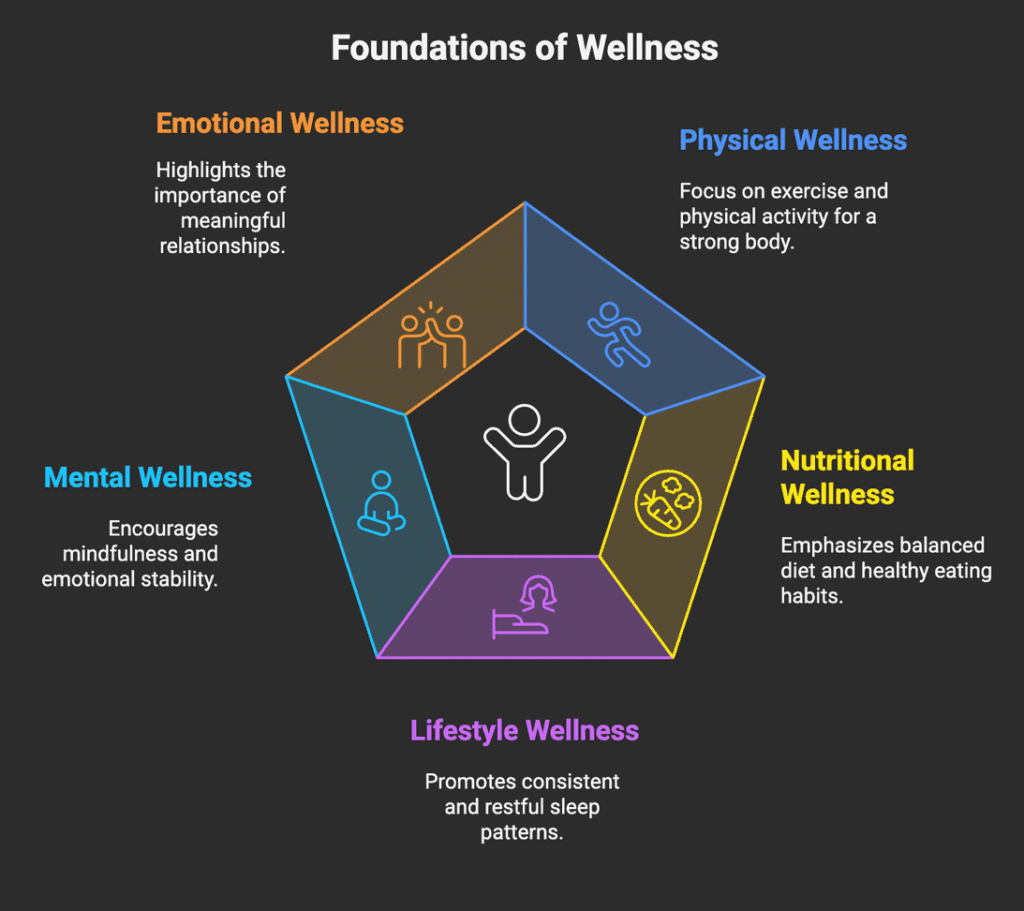
A: Holistic health refers to treating the whole person—body, mind, emotions, and spirit—rather than focusing on individual symptoms or body parts. It acknowledges that all aspects of your health are interconnected and dependent upon one another.
Just as chronic stress (mental/emotional) can cause inflammation (physical), it can lead to poor sleep (lifestyle), and lack of sleep can negatively impact your mood (emotional), creating a cycle. Holistic health addresses all these connections rather than treating each issue separately.
Key principles:
- Focus more on prevention than treatment
- Addressing the root cause, not the symptoms
- Supporting the body’s natural healing power
- Considering lifestyle, environment, and relationships
- Integrating conventional and complementary approaches when necessary
Q2: Is holistic health the same as alternative medicine?
A: No, holistic health is not just alternative medicine—it is a much broader concept. Holistic health does not necessarily include just complementary therapies; it focuses on your daily lifestyle habits and overall wellness.
Holistic health includes:
- Good diet and hydration
- Regular exercise and daily movement
- Sleep and recovery
- Managing stress
- Maintaining social connections
- Your environment and surroundings
- Mental and emotional well-being
Alternative medicine refers to specific treatments such as
- Acupuncture
- Herbal medicine
- Chiropractic care
- Homeopathy
- Energy healing
Many people practice holistic health using only conventional approaches—they just consider the whole person and all interconnected factors.