Q5: Can thoughts affect physical health?
A: Yes, and the research is compelling. Here are some documented examples:
Placebo Effect: Patients feel better even when they think they are getting treatment, even if it is just inactive pills. This shows that belief and expectation play a big role in healing.
Stress Response: If you repeatedly think negative thoughts, the body’s stress response is activated, which increases inflammation, weakens immunity, and increases the risk of disease.
Visualization Studies: Cancer patients who practice guided imagery have a better treatment response and fewer side effects.
Meditation Research: Regular meditation physically changes the brain’s structure, increases gray matter, and strengthens the immune system.
The key insight: Your thoughts cause biochemical changes in your body. When you think hopefully and positively, healing is naturally supported. But if you constantly live in worry and fear, that can be a major factor in illness.
Q6: What’s the difference between the mind affecting the body vs. the body affecting the mind?
A: It works in both directions, and this bidirectional connection is why holistic health is so powerful:
Mind → Body Examples:
- Stressful thoughts tighten muscles
- Visualization improves athletic performance
- Anxiety can cause digestive problems
- Depression weakens immunity
Body → Mind Examples:
- Exercise improves both mood and thinking
- Poor nutrition dulls mental clarity
- Lack of sleep increases anxiety
- Gut bacteria influence neurotransmitters
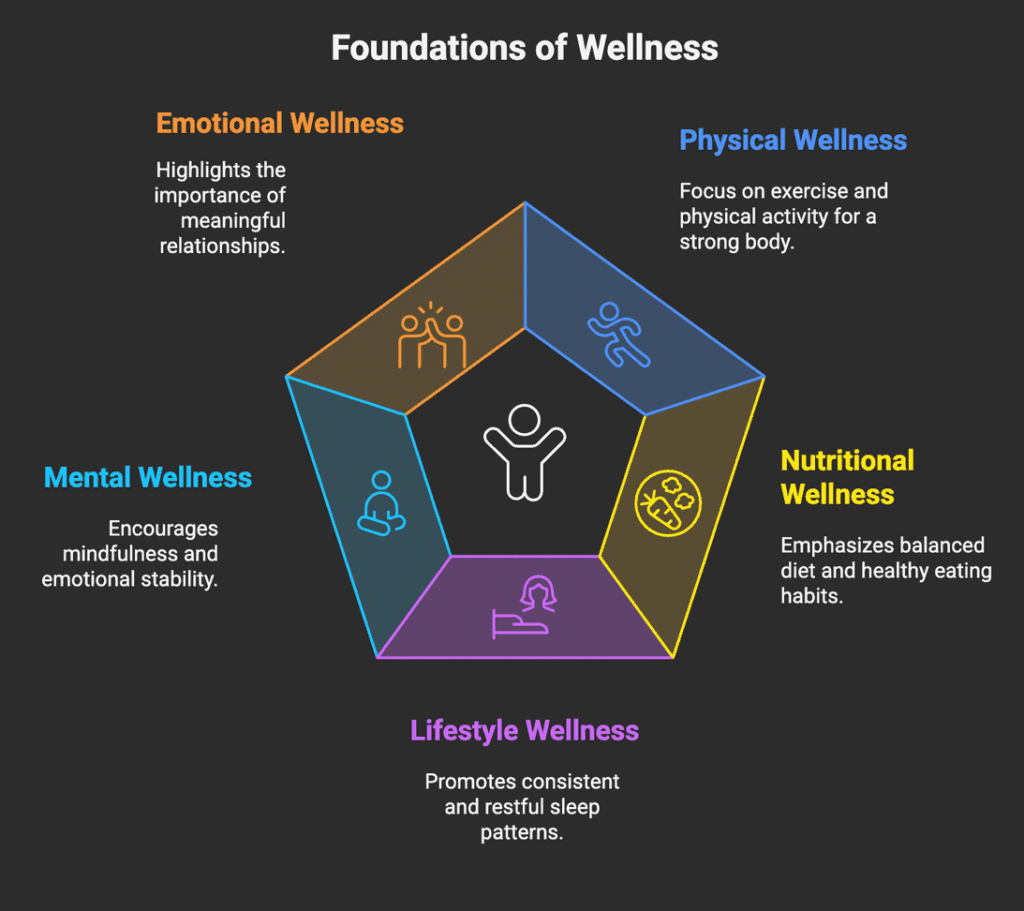
Practical application: You can improve your mental health through physical practices, like exercise, eating well, and proper sleep. And physical health can also improve with mental practices like meditation, gratitude, and positive thinking.